
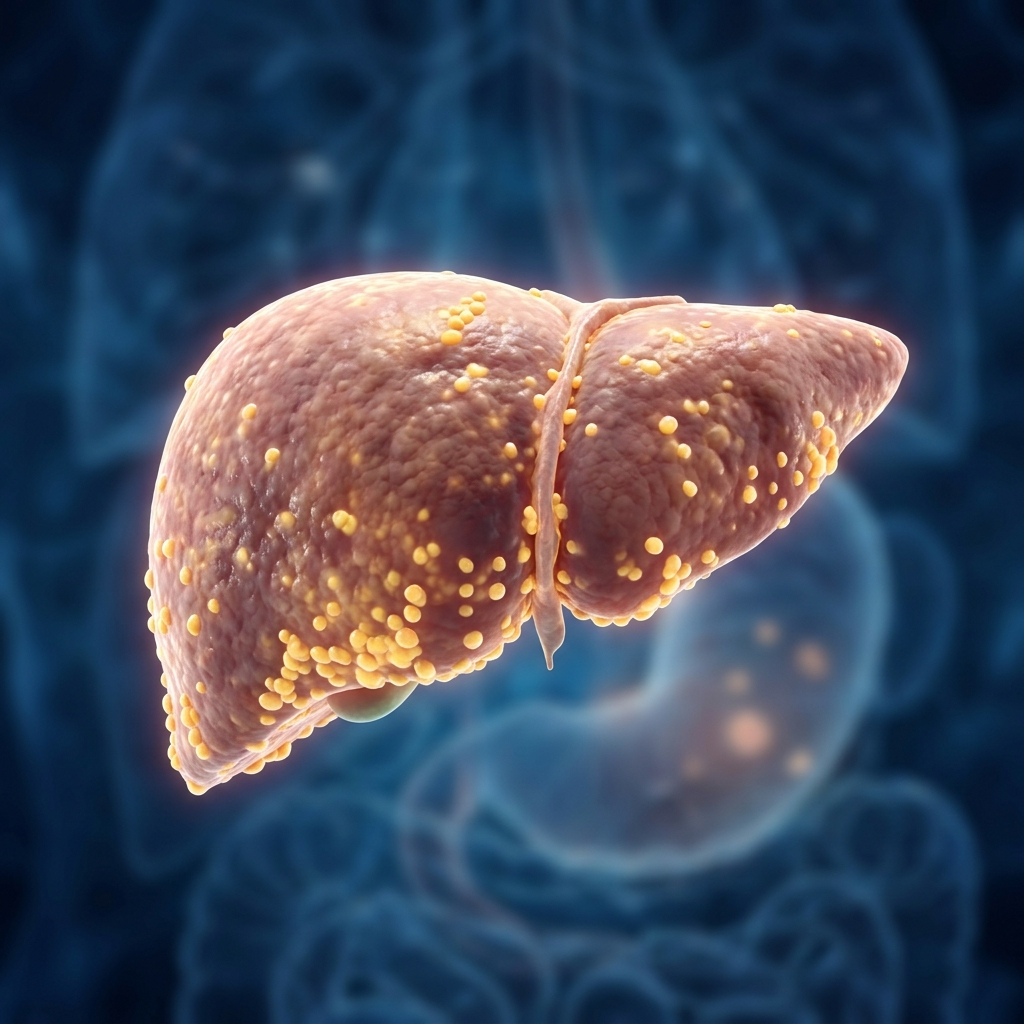
The liver is one of the body’s most vital organs, responsible for clearing toxins and metabolizing nutrients.
Fatty liver disease occurs when excess fat builds up in liver cells, disrupting its normal function.
This disease is divided into two main categories: alcoholic fatty liver and non-alcoholic fatty liver, with the latter being much more common.
Fatty liver usually has no specific symptoms in its early stages, which is why it is called a “silent disease.”
Obesity, type 2 diabetes, and high cholesterol are among the most significant risk factors for non-alcoholic fatty liver disease.
Diagnosis is typically made through blood tests (checking liver enzymes) and abdominal ultrasound by an internist.
One of the most important ways to treat and control fatty liver is through lifestyle changes and a healthy diet.
Gradual weight loss and at least 30 minutes of daily exercise can significantly reduce liver fat.
Currently, there is no definitive approved medication for fatty liver, so doctors focus on managing underlying conditions.
Regular visits to an internist and periodic checkups are crucial to prevent fatty liver from progressing to cirrhosis.