
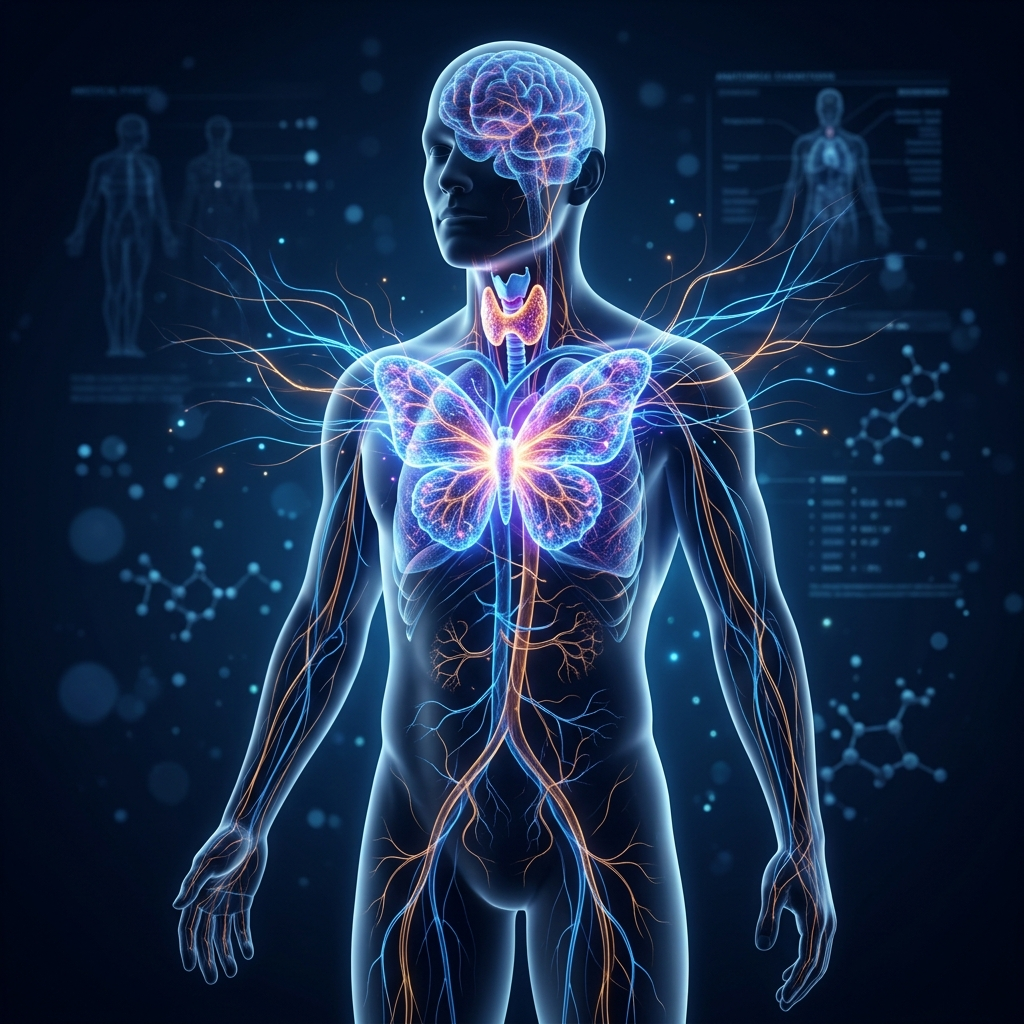
The thyroid is a butterfly-shaped gland in the front of the neck that plays a crucial role in regulating body metabolism.
Hormones secreted by this gland control the rate at which cells in the body use energy.
Hypothyroidism occurs when the gland does not produce enough hormones, causing metabolism to slow down.
Constant fatigue, unexplained weight gain, and feeling excessively cold are common symptoms of hypothyroidism.
Conversely, hyperthyroidism is a condition in which too many thyroid hormones enter the bloodstream.
Sudden weight loss, heart palpitations, and anxiety are the main signs of an overactive thyroid.
Autoimmune diseases such as Hashimoto’s and Graves’ disease are the most common causes of thyroid disorders.
An internist can evaluate thyroid function by prescribing a simple blood test to measure TSH levels.
Treatment for thyroid disorders usually involves taking hormone-regulating medications on a daily basis.
With timely diagnosis and regular medication use under an internist’s supervision, patients can lead completely normal and healthy lives.