
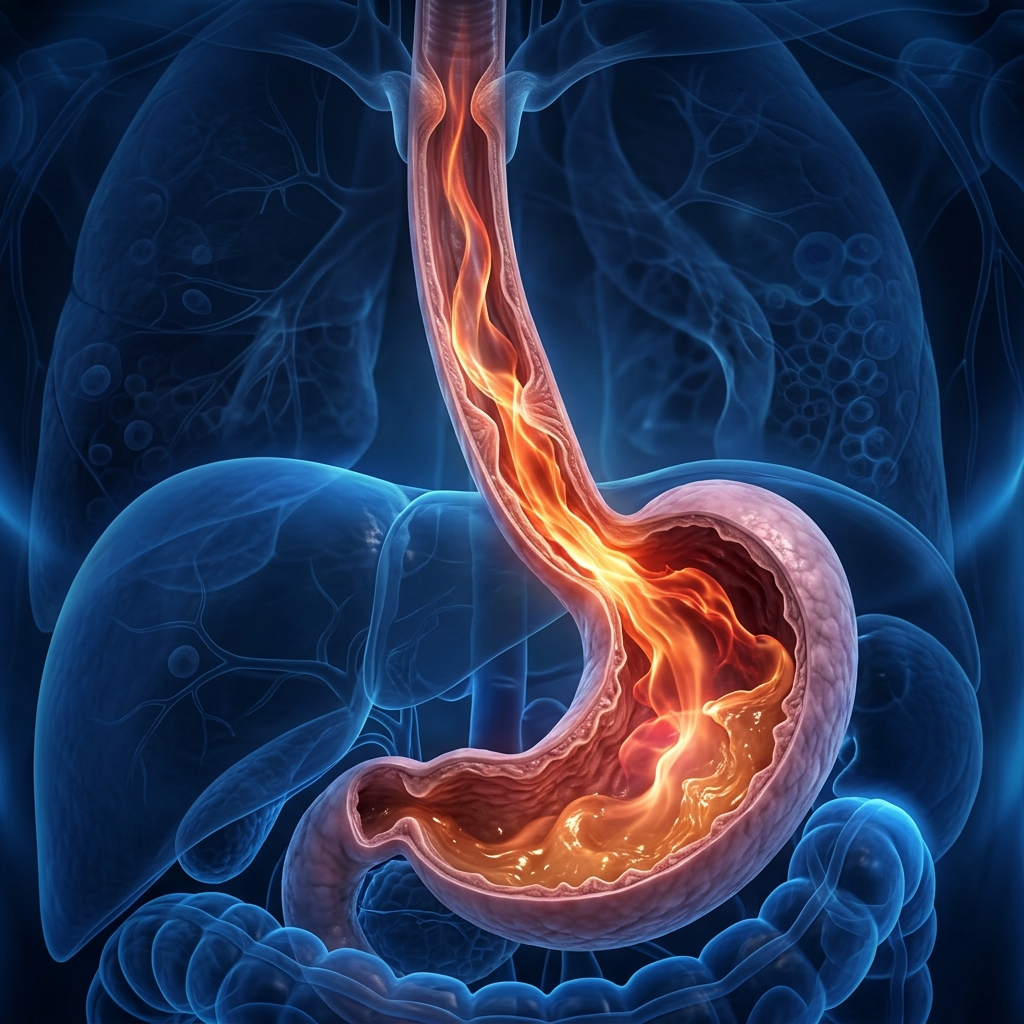
Gastroesophageal reflux disease, or GERD, is a common digestive disorder where stomach acid flows back into the esophagus.
This acid reflux occurs due to the weakness or relaxation of the lower esophageal sphincter, which should prevent stomach contents from escaping.
Heartburn is the most common symptom of this condition, usually worsening after eating or lying down.
Other atypical symptoms such as chronic cough, hoarseness, and a feeling of food stuck in the throat may also occur.
Consuming spicy or fatty foods, chocolate, caffeine, and smoking can exacerbate reflux symptoms.
If left untreated, stomach acid can over time cause inflammation of the esophagus and even dangerous ulcers.
An internist usually diagnoses the disease by evaluating clinical symptoms, though an endoscopy is sometimes needed.
Changing dietary habits, such as eating smaller meals and avoiding lying down immediately after eating, is the first step in treatment.
Acid-reducing medications, such as proton pump inhibitors (PPIs), are prescribed by doctors to control symptoms.
In very severe cases that do not respond to medication, a referral for surgical interventions may be necessary.