
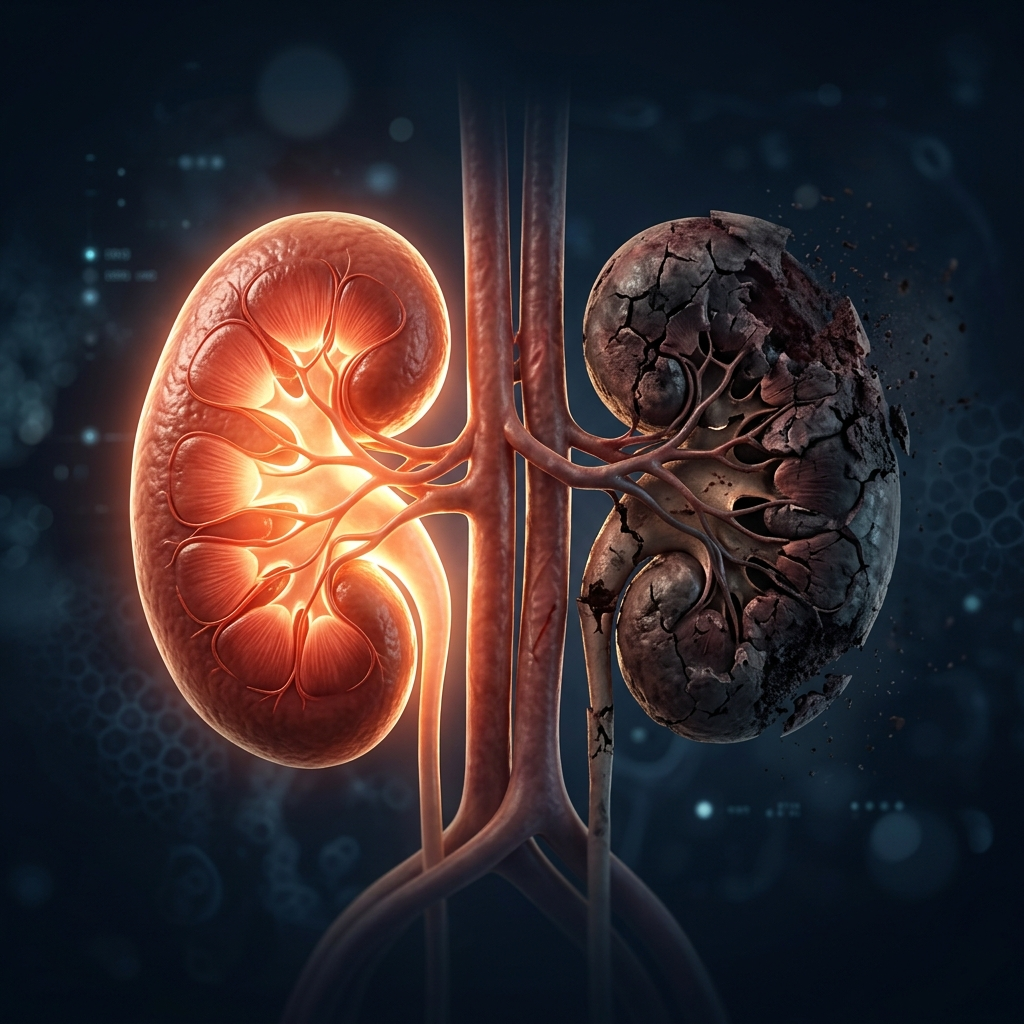
The kidneys are blood-filtering organs that remove waste products and excess fluids from the body as urine.
Chronic Kidney Disease (CKD) means the gradual loss of kidney function over time.
Uncontrolled diabetes and high blood pressure are the two main and common causes of kidney tissue damage.
In its early stages, this disease has no specific signs, and a patient may not notice kidney decline for years.
As the disease progresses, symptoms such as swelling of hands and feet, extreme fatigue, frequent urination, and nausea appear.
Blood tests to check creatinine and urine tests for protein leakage are the primary diagnostic tools used by an internist.
Strict control of blood sugar and blood pressure is the first and most crucial step to slow the progression of kidney failure.
A low-salt diet, restriction of certain proteins, and potassium control under a doctor’s supervision are mandatory.
If the kidneys reach end-stage failure, the patient will require dialysis or a kidney transplant.
Annual checkups for at-risk individuals can prevent the kidneys from reaching irreversible stages.