
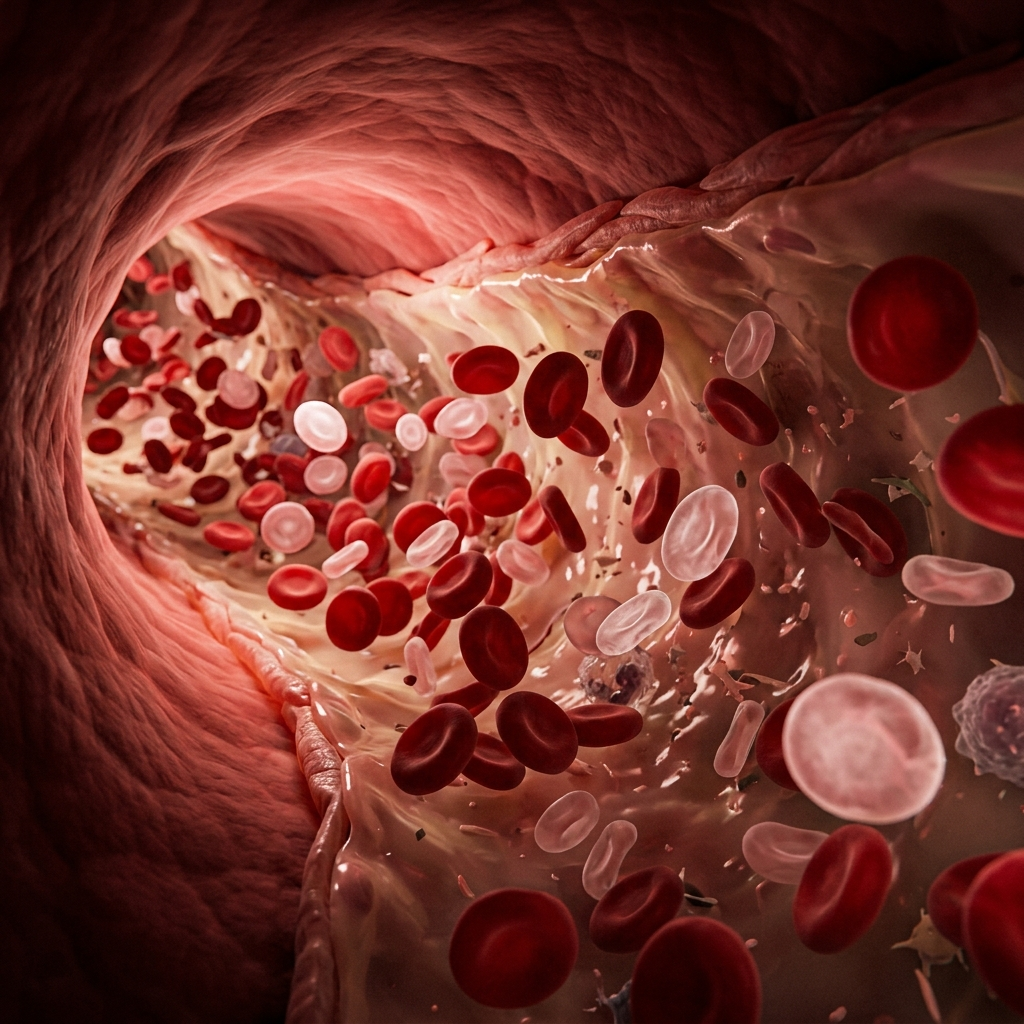
Anemia is a condition in which the body lacks enough healthy red blood cells to carry adequate oxygen to tissues.
The most common type of anemia worldwide is iron deficiency anemia, which occurs due to a lack of this mineral.
Iron is absolutely essential for the production of hemoglobin, the protein that allows red blood cells to carry oxygen.
Chronic fatigue, weakness, pale skin, and shortness of breath with mild exertion are clear symptoms of this condition.
Hidden gastrointestinal bleeding, heavy menstrual periods in women, and iron-poor diets are main causes of this issue.
An internist diagnoses anemia with a simple blood test (CBC) and by checking ferritin levels.
Self-prescribing iron supplements is not recommended, as excessive iron accumulation can damage the liver and heart.
Treatment usually involves a doctor prescribing a specific dose of iron pills, taken with vitamin C for better absorption.
Including red meat, legumes, spinach, and nuts in the daily diet helps prevent iron deficiency.
Follow-up tests after a few months are conducted by the internist to ensure the body’s iron stores are replenished.