
Irritable Bowel Syndrome (IBS) is a common functional disorder of the digestive tract that affects the large intestine.
Abdominal pain, bloating, diarrhea, and alternating constipation are the most common bothersome symptoms of this syndrome.
Unlike other gastrointestinal diseases, IBS does not cause inflammation or change bowel tissue, nor does it increase cancer risk.
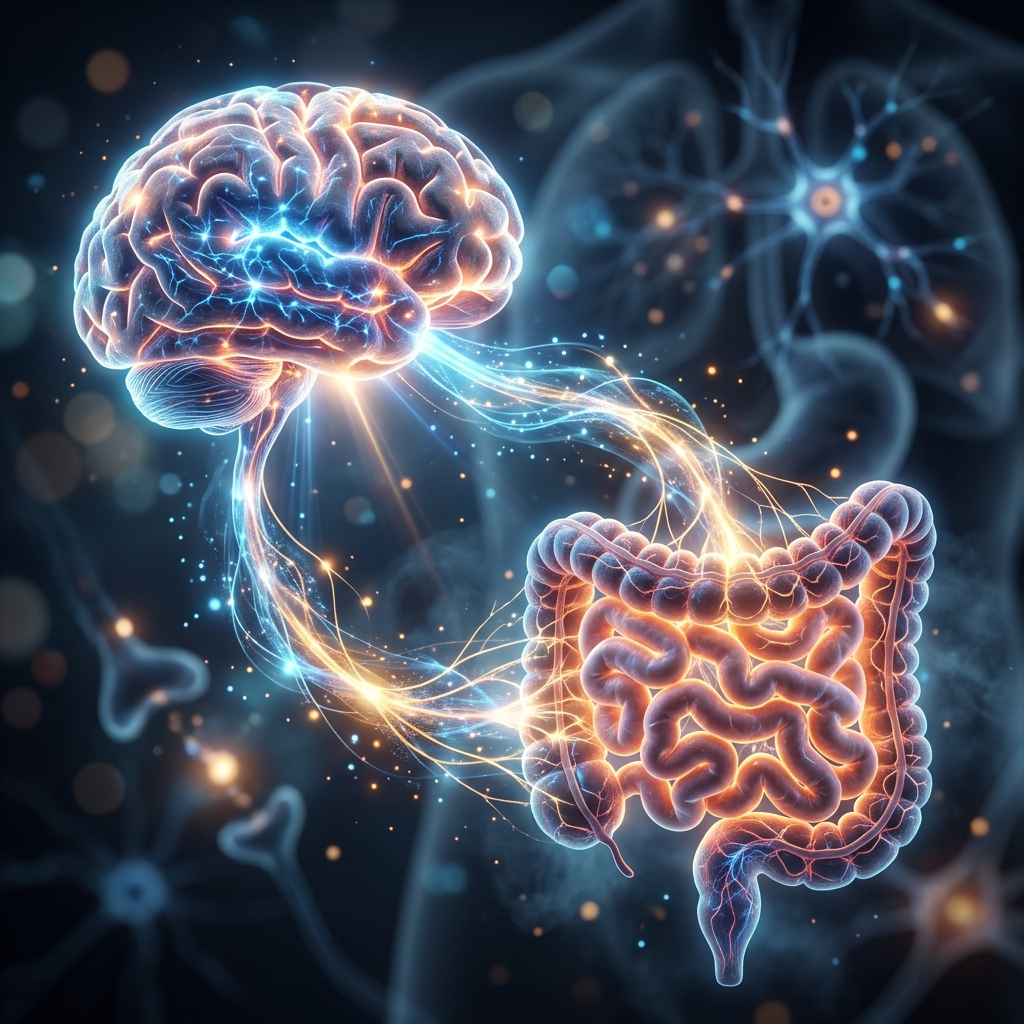
The exact cause of the disease is not yet fully understood, but it is closely linked to the enteric nervous system.
Stress and anxiety are among the most significant triggers that can exacerbate IBS symptoms.
The mutual connection between the brain and the gut means that psychological stress directly impacts bowel movements.
Diagnosis of IBS by an internist is usually based on the patient’s medical history and ruling out other dangerous conditions.
The low-FODMAP diet, which restricts certain carbohydrates, is effective in improving symptoms for many patients.
In addition to dietary changes, stress management through yoga, meditation, and psychological counseling plays a key role.
An internist may prescribe antispasmodics, bowel movement regulators, or even probiotics to control the condition.