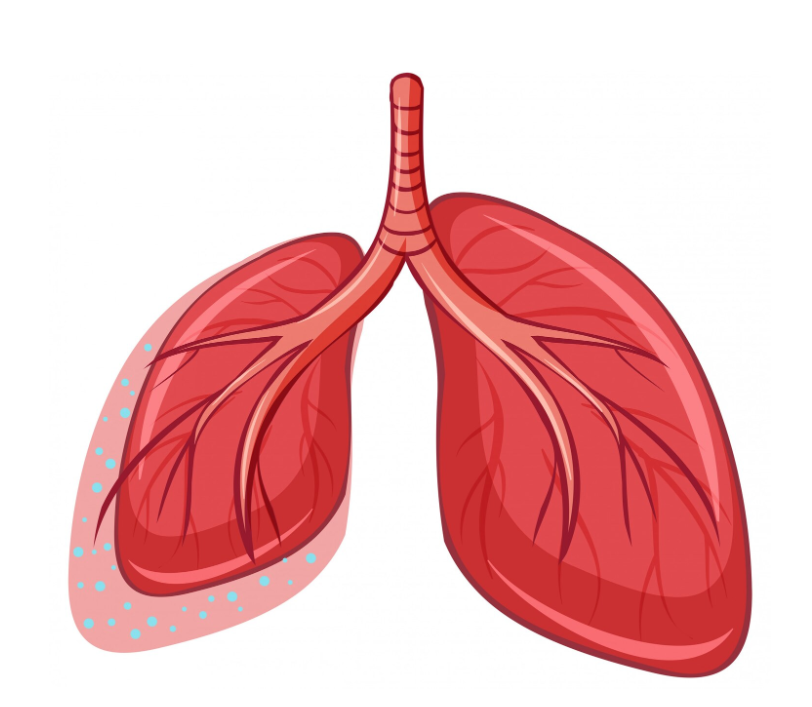
The lungs are the main organs of the respiratory system that are responsible for the exchange of vital gases between the body and the environment. Humans have two lungs: the right lung with three lobes and the left lung with two lobes, which is smaller due to the placement of the heart.
The lungs are located in the chest and are separated from the abdominal organs by the diaphragm. The diaphragm plays an important role in the process of inhalation and exhalation by contracting and expanding.
During inhalation, air enters the trachea through the nose or mouth and then reaches the bronchi and bronchioles. Finally, the air reaches the alveoli or air sacs, which are the main site of gas exchange.
In the alveoli, oxygen enters the blood capillaries and carbon dioxide leaves the blood. This process is facilitated by the relative pressures of the gases and the thin membrane of the alveoli.
In addition to breathing, the lungs play a role in regulating blood pH, excreting some waste products, and producing certain enzymes. Immune cells in the lungs also protect the body from pathogens.
Common lung diseases include asthma, bronchitis, pneumonia, chronic obstructive pulmonary disease (COPD), and lung cancer. These diseases can severely impair respiratory function.
Risk factors for lung diseases include smoking, air pollution, exposure to chemicals, and viral infections. Preventing these factors plays an important role in maintaining lung health.
To strengthen lung function, it is recommended to exercise regularly, eat a healthy diet, and avoid polluted environments. Vaccination against respiratory diseases such as influenza is also beneficial.
The lungs play a role not only in daily life but also in sports activities, sleep, and speech. Taking care of these vital organs ensures the quality of life and overall health of the body.
