
1. Continuous monitoring of vital signs
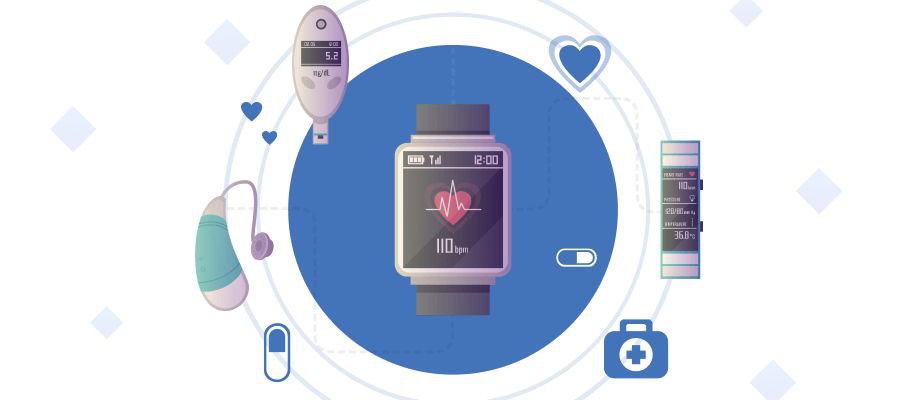
Wearable technologies such as smartwatches and health bracelets can record heart rate, blood pressure, and blood oxygen levels in real time. This continuous monitoring helps people recognize abnormal changes more quickly and take action to prevent heart or respiratory problems.
2. Early detection of diseases
Using artificial intelligence algorithms, data collected by wearable devices can reveal early patterns of diseases. For example, changes in sleep rhythms or physical activity may be early signs of diabetes or depression.
3. Promoting a healthy lifestyle
These technologies encourage people to be more physically active, sleep regularly, and eat healthily. Smart notifications and reminders can correct unhealthy behaviors and help prevent chronic diseases such as obesity and high blood pressure.
4. Stress Management and Mental Health
Wearable devices can assess stress levels by monitoring heart rate and breathing patterns. This data can guide people to relaxation exercises or meditation and prevent more serious mental problems.
5. Role in preventing heart disease
Careful monitoring of exercise activities and heart indicators helps people reduce their risk of heart disease. Immediate alerts if an abnormal rhythm is observed can save lives.
6. Chronic disease control
People with chronic diseases such as diabetes or asthma can better manage their condition using wearable technologies. These devices monitor blood sugar levels or breathing quality and allow for the prevention of severe attacks.
7. Increasing access to healthcare
Wearable technologies share health data directly with doctors. This allows for faster and more accurate medical care and prevents the progression of diseases.
8. Reducing healthcare costs
By preventing diseases and early diagnosis, wearable technologies can reduce the high cost of healthcare. These devices are especially important in resource-limited health systems.
9. Challenges and limitations
Despite the benefits, the use of wearable technologies comes with challenges such as data privacy, high cost, and the need for user training. Addressing these challenges is essential to fully exploit the preventive potential of these devices.
10. The future of wearable technologies in health
Future advances in artificial intelligence, the Internet of Things, and biosensors will further enhance the role of wearable technologies in disease prevention. These devices are moving towards personalizing healthcare and can create a major revolution in public health.